
Outdoor Weddings and Live Bands: Common Pitfalls and Solutions
While planning your dream outdoor wedding with live music sounds magical, you may encounter sound issues, weather challenges, and coordination nightmares. Explore this guide to Outdoor Weddings and Live Bands: Common Pitfalls and Solutions, and how we can make your big day smooth and full of entertainment.
During an outdoor wedding, live bands may face acoustic difficulties, amplification requirements, and electricity sourcing. Weather unpredictability, insects, and sun exposure threaten both equipment safety and musician comfort during performances. Meanwhile, venue-vendor mismatches and inadequate setup scheduling create logistical problems.
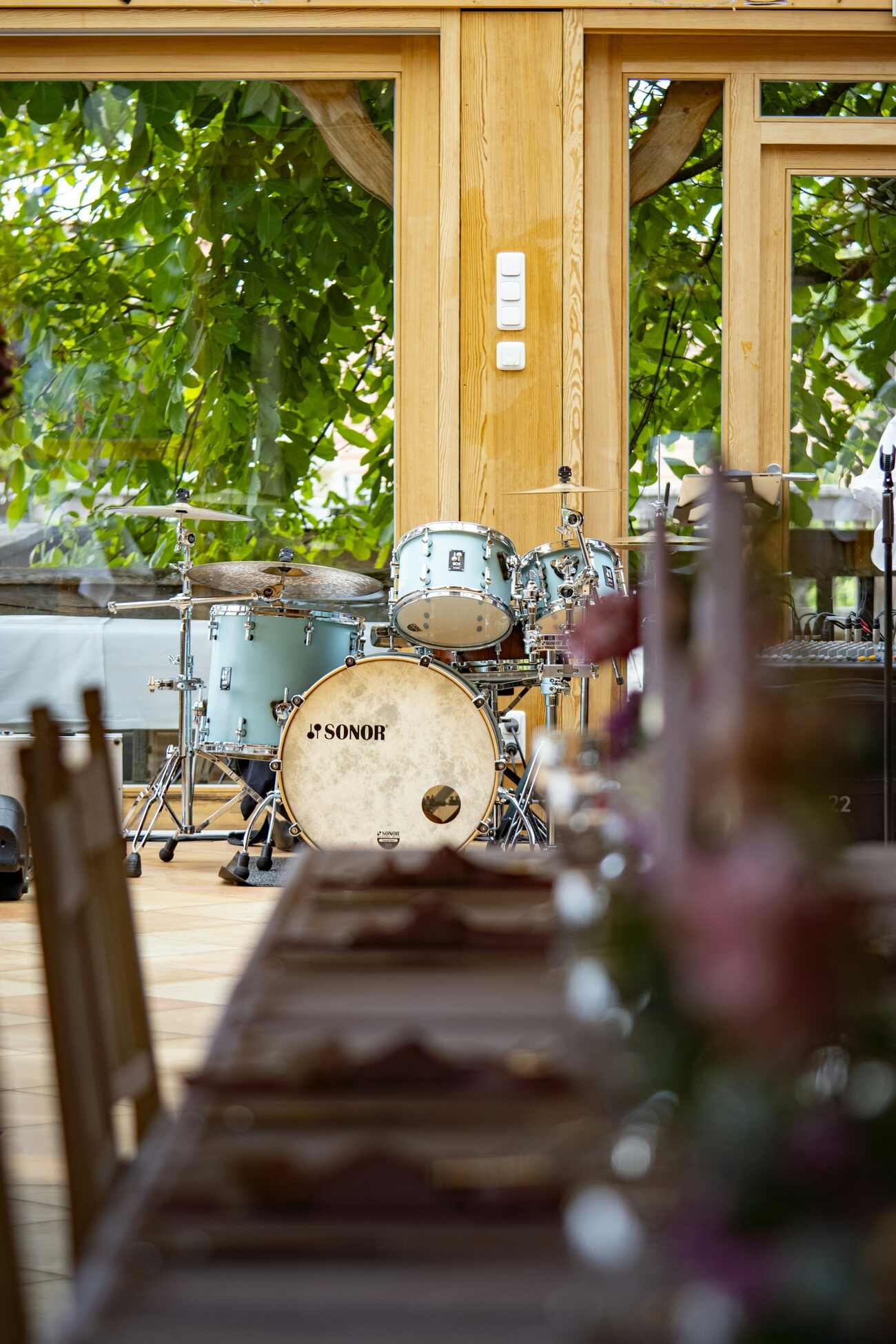
By preparing for the unexpected on your special day, you can enjoy uninterrupted music, allowing you and your guests to relax and truly enjoy yourselves.
1. The Pitfalls of Sound and Power
Sound quality suffers dramatically in open-air settings without proper planning, while power failures can shut down your entire celebration before it begins.
Acoustics and Amplification
Open-air venues present unique acoustic challenges that can make even the most professional band sound muddled or too quiet.
- Sound systems struggle outdoors because there are no walls to reflect and contain audio.
- Breeze carries sound away from guests and creates feedback in microphones.
- The space between your ceremony, cocktail hour, and reception areas may require multiple audio zones.
| Solutions | Action Steps |
| Strategic speaker placement | Have your venue or band’s team position the speakers angled toward guests, rather than blasting volume everywhere. |
| Zone-based systems | Use separate audio setups for ceremony, cocktails, and reception. |
| Professional sound checks | Test audio levels at different distances and account for guest seating for even coverage. |
Power Problems
Failure to plan for adequate power can lead to catastrophic equipment failures, a sudden loss of music, or even a complete show cancellation.
- Venues may only provide basic household outlets that can’t handle the electrical demands of a full band.
- Some outlets may be located far from the performance area, requiring long extension cord runs that create safety hazards and voltage drops.
- Backup generators create unwanted noise during performances and require constant fuel monitoring.
| Solutions | Action Steps |
| Power requirement assessment | Calculate total wattage needs for equipment and verify if the venue can provide adequate amperage. |
| Professional power distribution | Use weatherproof power distribution boxes and proper gauge cables to safely extend power. |
| Silent generator backup | Coordinate with your venue or planner if you can rent quiet-running generators positioned away from guests |
2. Environmental Obstacles
Environmental factors can sometimes necessitate last-minute changes, but you can mitigate issues caused by unpredictable weather conditions through planned logistics.
Weather Worries
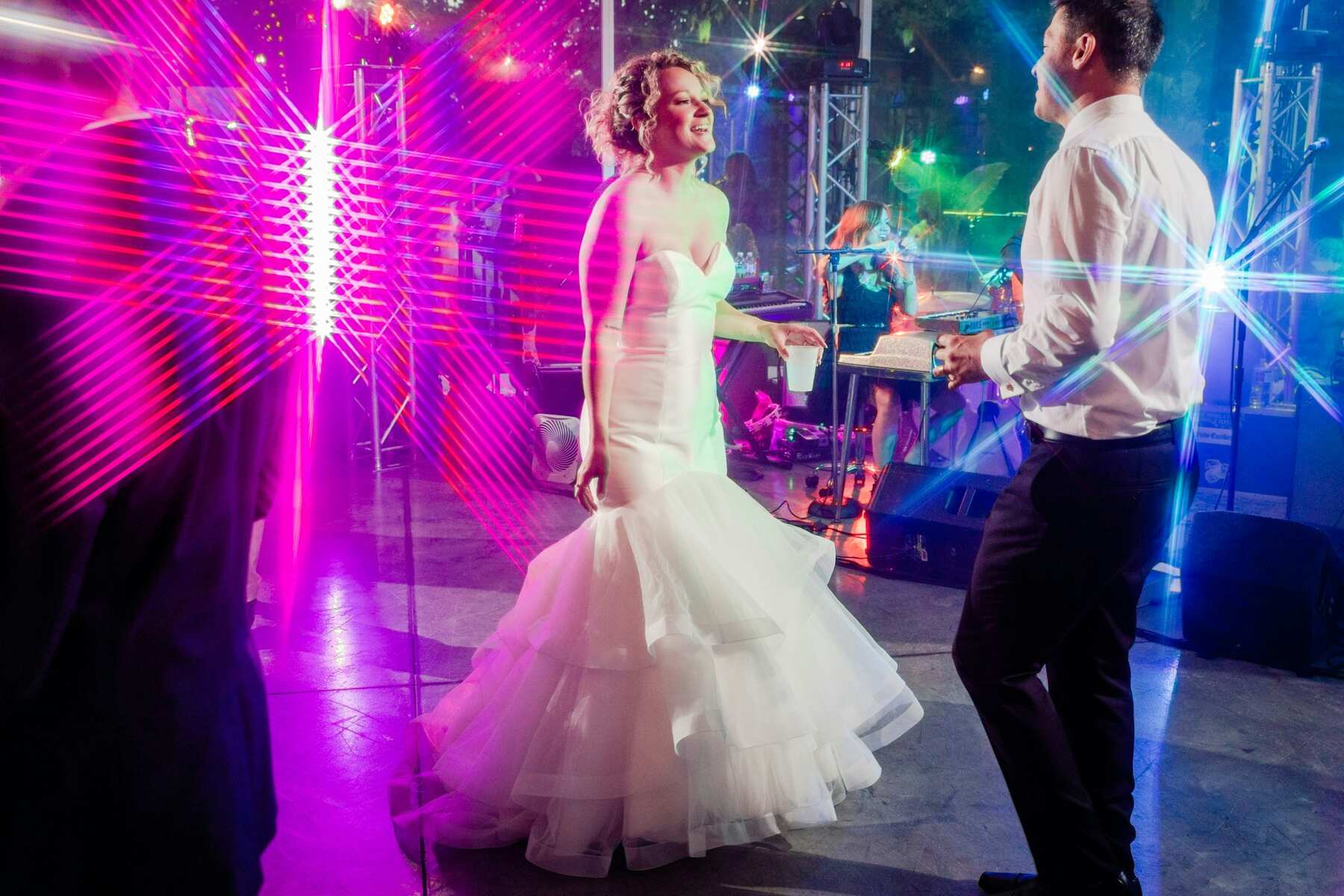
Risks from rain, wind, and temperature changes can damage thousands of dollars’ worth of band gear.
- Condensation buildup can damage sensitive electronics.
- Wind can ruin audio quality even if the gear remains upright.
- A sudden power surge or equipment malfunction can render a soundboard or amplifier useless.
| Solutions | Action Steps |
| Weather protection and equipment safety | Rent weather-resistant tents with side walls and keep electrical equipment at least 10 feet from the tent edges. |
| Wind and stability measures | Weigh down equipment and use sandbags on mic stands and speaker bases. |
| Backup reliability | Make sure your band has proper arrangements to keep their backup instruments in climate-controlled cases. |
Exposure to the Sun and Insects
Outdoor performances expose musicians and their equipment to harsh sunlight and insect interference, creating discomfort and potential equipment damage.
- Direct sunlight can cause amplifiers and electronic gear to overheat.
- Prolonged sun exposure can lead to dehydration, sunburn, and glare problems, which can affect playing ability.
- Bees, wasps, and other insects are attracted to bright stage lights and can disrupt performances.
| Solutions | Action Steps |
| Shade structure setup | Install tents or canopies over the performance area with proper ventilation. |
| Equipment protection measures | Request your band to use equipment covers and position gear away from direct sun. |
| Natural insect deterrents | Place citronella candles or plants around the stage perimeter. |
3. Coordination and Planning Failures
Coordination breakdowns can cascade into multiple problems that can stress you, the guests, and vendors, so implement protocols to keep the program running smoothly.
Mismatched Venues and Vendors
Poor communication between venue coordinators and band management may result in conflicting expectations.
- Venues may have overlapping events or strict time windows that clash with the band’s equipment setup requirements.
- Noise is considered a public health hazard, and most places have local noise ordinances, which may lead to volume disputes.
- Lack of communication between other vendors and musicians results in scheduling conflicts, blocked sightlines, and competing space usage.
| Solutions | Action Steps |
| Pre-event venue walkthrough | Schedule site visits with a venue coordinator to review load-in procedures, setup spaces, and time restrictions. |
| Written sound agreements | Obtain specific decibel limits and time restrictions in writing, then test sound levels during setup for compliance. |
| Vendor coordination meetings | Participate in timeline meetings with vendors to establish clear schedules, allocate space, and finalize communication protocols. |
Disruptive Setup and Performance Schedules
An uncoordinated schedule can cause major disruptions, turning a smooth event into a chaotic one and impacting the guest experience.
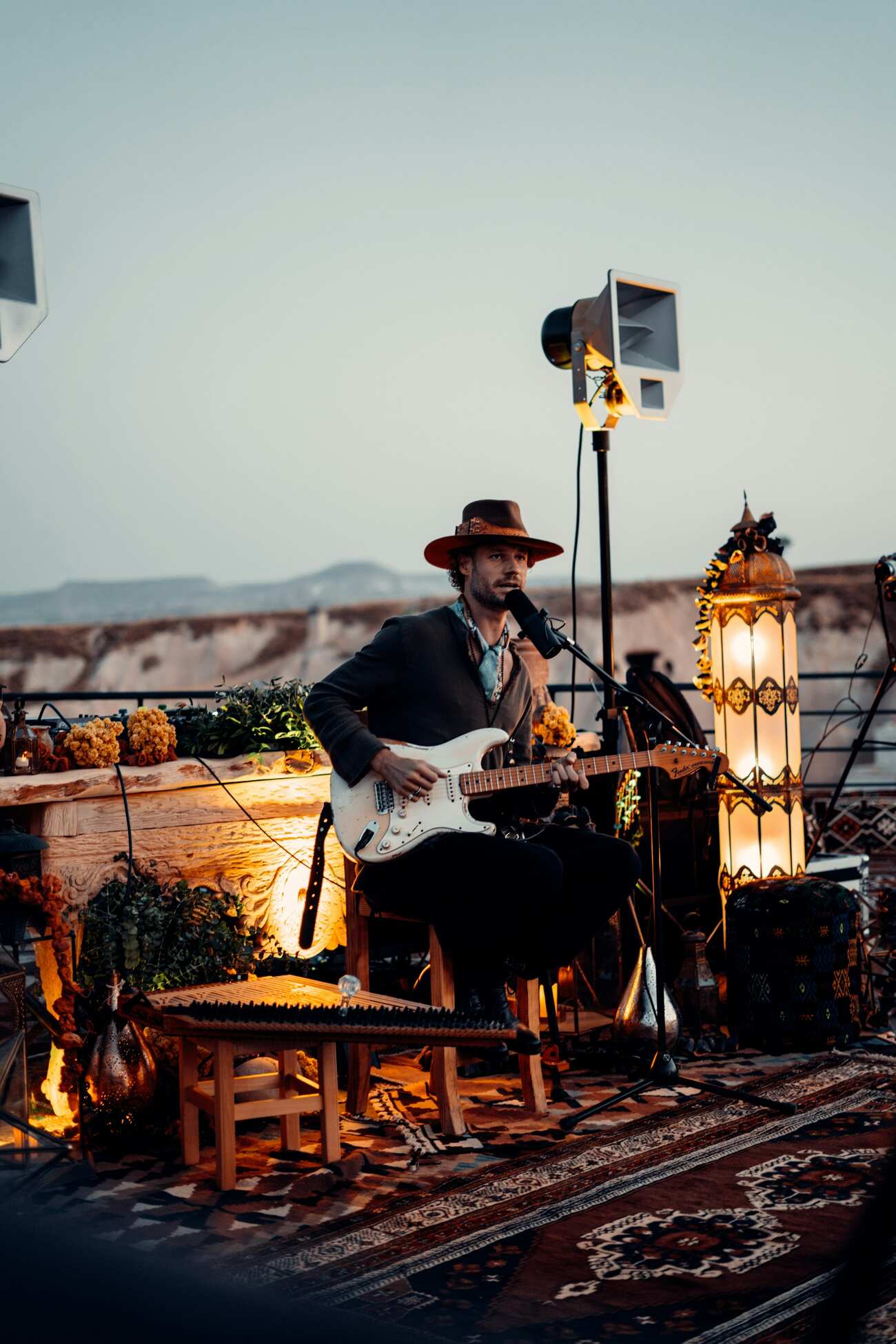
- Late arrivals and sound checks can interrupt the ceremony or reception.
- Poor scheduling results in equipment changes or sound adjustments during crucial moments, such as speeches or first dances.
- Equipment removal overlaps with late-night dancing or farewell activities.
| Solutions | Action Steps |
| Coordinated timeline | Collaborate with the planner and venue to create a schedule that outlines setup times and performance blocks. |
| Transition windows | Designate specific equipment change periods that align with natural ceremony breaks. |
| Clear communication | Establish a point person and create a shared document with a detailed timeline, song list, and vendor contact information. |
Related Questions
How Should I Choose a Live Wedding Band?
You can choose a live wedding band by first defining the musical style and energy you want for your wedding. Review their live performance videos and testimonials to make sure they’re a perfect fit for your special day. Browse through our curated list of live wedding bands for a wide variety of styles and secure transactions.
What Are the Pros and Cons of An Outdoor Wedding Venue for Live Entertainment?
The benefits of an outdoor wedding venue for live entertainment include the freedom of a spacious stage and an epic, open-air party atmosphere. The downsides involve the unpredictable nature of sound, power, and environmental factors.
How to Determine Liability for Issues Potentially Caused by Having an Outdoor Venue?
Liability is determined by a comprehensive contract that outlines responsibilities for power failures, equipment protection, and weather backup plans. Our airtight contracts can protect both bands and couples by clearly defining each party’s obligations.
Hire an Experienced Band from Green Light Booking
Smart planning and the right musical team can deliver flawless entertainment from start to finish. Let Green Light Booking connect you with experienced bands who know exactly how to handle every challenge any outdoor wedding venue might present.