Party Band vs Cover Band: Which One Should You Pick?
Live music can transform a good event into a great one. The right band keeps people smiling, moving, and talking about your party the next day. The tricky part is that “party band” and “cover band” often overlap. Many party bands are cover bands, just packaged for nonstop energy and crowd interaction.
If you’re booking entertainment for a wedding, corporate event, or private party, Green Light Booking can match you with the right band based on your event needs, budget, and vision, and help you lock in the details that make the night run smoothly.
TL;DR
- Pick a party band if you want wall-to-wall dancing, seamless medleys, and a hype, interactive vibe (often with concert-style production).
- Pick a cover band if you want recognizable hits your guests love, whether that’s a laid-back “live soundtrack” or a full dance-floor show (energy level depends on the band).
- Size, production, and crowd work tend to be bigger with party bands. Customization and set control are often easier with cover bands.
- Confirm logistics early, including set lengths, sound, backline, breaks, and who handles music licensing at the venue.
What Each Band Type Means
If you’re comparing band types for an event, the labels can get confusing because there’s overlap. A simple way to think about it: a party band is usually a cover band built for nonstop dancing and audience interaction, while “cover band” is a broader category that can range from chill to high energy.
This guide breaks down the real differences that affect your night (energy, pacing, production, and logistics). If you want a shortcut, Green Light Booking can curate a shortlist of proven bands and help you choose based on your venue, guest count, timeline, and budget, so you don’t waste time chasing bands that aren’t the right fit.
What Is a Party Band?
A party band focuses on high‑energy dance music that keeps the floor packed. They string songs into medleys and mashups so momentum never dips.
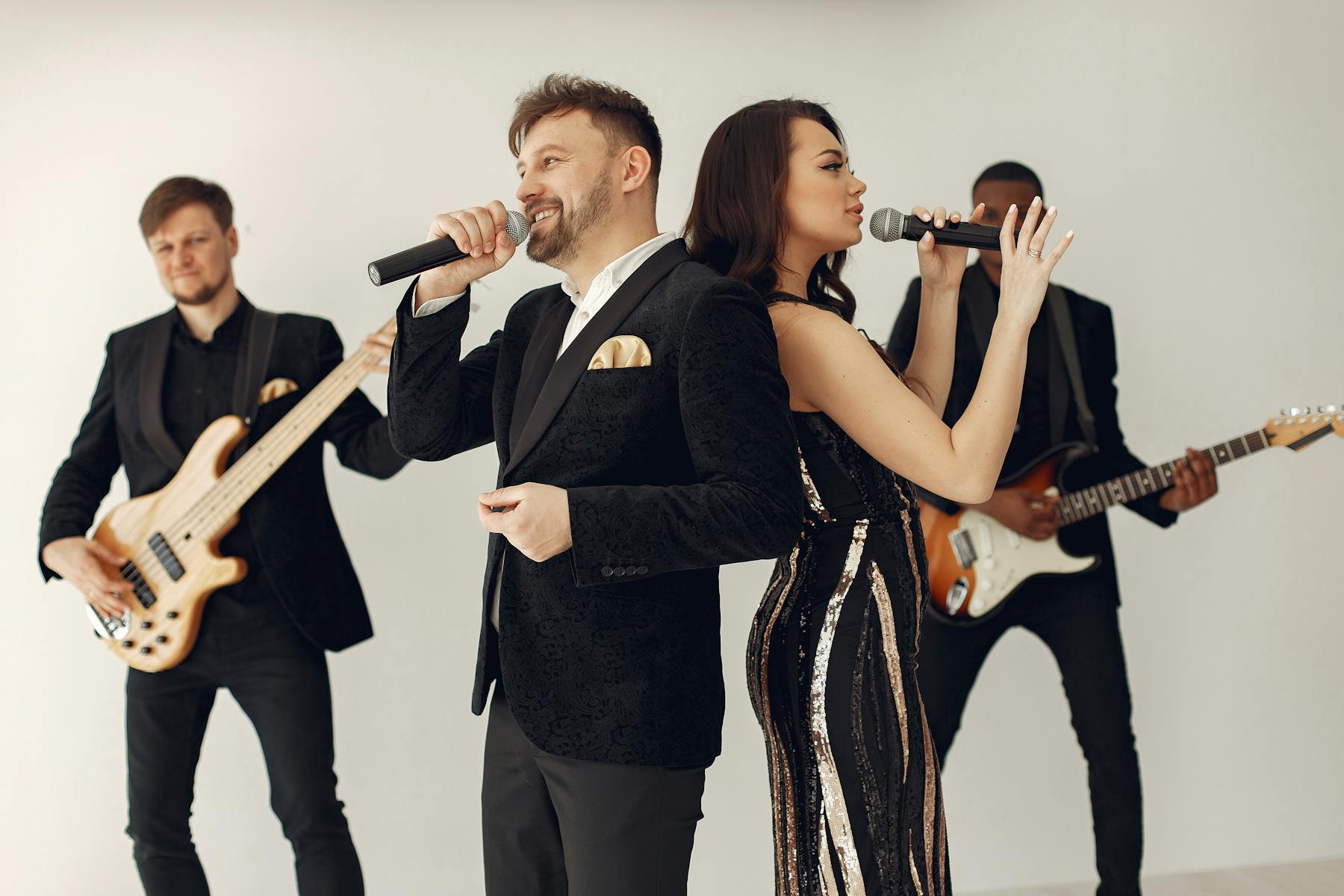
Many add choreography, multiple vocalists, and horn sections for a showy, almost concert‑like experience. Their specialty is reading the room fast and shifting genres across decades without stopping.
What Is a Cover Band?
A cover band performs recognizable songs by other artists. The goal is to deliver recognizable songs guests can sing along to, sometimes note-for-note, and sometimes with a fresh, modern arrangement.
Some cover bands lean toward country, rock, others toward pop, funk, or Motown, and many can cover multiple decades to fit mixed-age crowds at weddings, corporate events, and private parties. A related niche is the tribute band, which centers on one artist or era. If you want variety for dancing, ask for general cover sets rather than a single artist tribute.
Technical Comparison: Party Band vs Cover Band
The biggest differences show up in pacing, crowd interaction, and production. Party bands typically run transitions tightly and keep the flow continuous. Cover bands usually leave space between songs to talk to the crowd, tune, and take requests. With that, expectations for staging, wardrobe, and sound can vary.
| Factor | Party Band | Cover Band |
|---|---|---|
| Primary Goal | Nonstop dancing and hype | Faithful hits and broad appeal |
| Repertoire Style | Medleys, mashups, tight segues | Song‑by‑song with space between |
| Crowd Interaction | High energy MC work, call‑and‑response | Friendly banter, requests, dedications |
| Typical Lineup | Larger: multiple singers, horns, dancers | Varies: can be a tight 4–6 piece or expand with horns/vocals for bigger events |
| Production Needs | Bigger PA/lighting, choreo spacing | Varies: some use house sound; others bring full sound/lighting depending on the event |
| Flexibility During Show | Quick genre pivots within medleys | Adjustable set order and pacing |
| Best Fit | Weddings, corporate galas, big parties | Weddings, corporate events, private parties, festivals, or anywhere you want recognizable hits (energy depends on the band) |
How to Match Band Type to Your Event Goals
Start with the outcome you want.
- If your top priority is a packed dance floor from the first chorus to the last song, a party band is built for that sprint.
- If you want sing-alongs, toasts, and a little breathing room between high points, a cover band often fits better.
Think about your crowd mix. Multi‑generational events benefit from a band that moves across decades.
- Both band types can do this, but party bands typically blend eras faster while cover bands may curate eras in distinct blocks.
- For corporate events where you need to please many tastes and end on time, a party band can deliver tight show control.
- For a neighborhood festival with rotating acts and casual flow, a cover band gives you flexible pacing.
If you tell us your top priorities (nonstop dancing vs. more flexible pacing, plus any “must-play” styles), Green Light Booking can recommend specific party bands and cover bands that already perform well for your type of event. We can also share live videos/setlist direction so you can compare confidently.
Budget and Pricing Factors
Costs vary widely based on lineup size, travel, date, and production, but here’s the usual difference:
- Party bands often bring more people and gear (extra vocals, horns, choreography, bigger sound/lighting), so plan for higher fees and more staging.
- Cover bands can be more budget-friendly, especially in smaller lineups, and may more easily adapt to a venue’s house sound system if one is available.
Event Logistics
Get logistics in writing, because this is where expectations can diverge:
- Set length: Both party bands and cover bands commonly play 3 × 60 minutes or 4 × 45 minutes with short breaks. Party bands often structure sets for continuous dance-floor flow (tight segues/medleys), while cover bands may build in more space for announcements, requests, or pacing shifts.
- Backline: Both need standard backline (drums, amps, keyboards, and the like), but party bands with larger lineups may require more inputs, more mic channels, and more stage real estate. Cover bands, especially smaller ones, may have a simpler stage plot and faster changeovers.
- Soundcheck + load-in: Both require a soundcheck and coordinated load-in, but party bands with bigger production (lighting, tracks, multiple vocalists/horns) often need more setup time and more power and patching. Cover bands may be able to move more quickly if they’re using the venue’s system and a smaller rig.
Contracts and Music Licensing
Public performances of copyrighted songs generally require a license. Many venues already hold blanket licenses from performing rights organizations like ASCAP, BMI, and SESAC, but you should confirm in writing whether that coverage applies to your event.
If your event is open to the public or ticketed in a commercial space, assume a PRO license is required and make sure the responsible party is named in your contract. Also, don’t use a personal streaming account like Spotify for public playback.
Consumer terms are typically limited to personal, non-commercial use. If you’re working with Green Light Booking, we’ll help ensure the licensing responsibility is clear and handled appropriately so you can focus on your guests.
Red Flags and Green Flags When Choosing Between a Party and a Cover Band
Here are a few green flags to look for when booking a band:
- Recent, unedited live videos and a current song list.
- Clear communication on set lengths, breaks, and production.
- A simple, professional contract with a payment schedule and cancellation terms.
Watch out for these red flags:
- Only studio‑polished clips with no live proof.
- Vague answers about sound, load‑in, or power needs.
- No plan for learning first dance or special request songs when promised.
Don’t want to vet alone? Green Light Booking works with a curated roster of proven performers and can help verify live footage, set formats, and production needs before you commit.
Examples
Seeing these real-world applications helps you visualize whether a high energy, medley based group or a traditional set-based ensemble fits your specific itinerary.
A Summer Wedding With a Short Dance Window
The couple had a tight 2.5‑hour reception with dinner, toasts, and a one‑hour dance block. A party band built medleys around the couple’s top 15 songs and scheduled quick transitions from toasts into a high‑energy first dance reprise.
Because the venue had a strict curfew, the band’s showcaller kept things on time and wrapped cleanly. Guests hit the floor within 30 seconds of the first dance switchup and stayed there.
A Community Street Fair With Mixed Ages
The organizer wanted familiar music across classic rock, 90s pop, and country, with plenty of mic time for sponsor shout‑outs. A 5‑piece cover band slotted three 45‑minute sets and left space for raffles and announcements.
They took requests from a signup sheet, brought a compact PA, and used the town’s stage. The pacing felt relaxed, the kids recognized choruses, and sponsors got the mic moments they needed.
Actionable Steps / Checklist
By ticking off these items, you can focus on the artistic differences between your options rather than getting bogged down by sudden venue or equipment surprises.
- Define the room, including the guest count, ages, dance vs mingle, and any curfew.
- Decide the vibe, whether it’s a concert‑like party or a classic live show with breaks.
- Shortlist bands with live videos in similar rooms to yours.
- Confirm set lengths, breaks, special‑song learning, and emcee duties.
- Lock production, such as PA, monitors, lighting, stage size, and power.
- Clarify backline and load‑in times with your venue contact.
- Ask who handles music licensing for covers at the venue.
- Get a simple contract that lists date, times, lineup, fee, overtime, cancellation, and a substitution policy.
Glossary
Clearly defining industry terms prevents confusion when discussing performance styles and technical riders with talent agents.
- Party Band: A high‑energy group that uses medleys and crowd work to keep the dance floor full.
- Cover Band: A band that plays songs by other artists, often aiming for faithful versions.
- Tribute Band: A cover act focused on one artist or era, with matching look and sound.
- Setlist: The planned order of songs for a show.
- Medley: Several song sections blended into one continuous performance.
- Backline: Onstage instruments and amps provided by the venue, festival, or band.
- Soundcheck: Pre‑show testing to balance instruments and vocals.
- Public Performance License: Permission required to perform copyrighted music in public; typically handled by venues in the US.
FAQ
Q: Can a cover band perform like a party band?
A: Cover bands can perform like party bands. Many cover bands can switch to medleys and tighter segues if you ask during planning.
Q: Do I need a license to have covers at my private event?
A: It depends on whether the event is considered “public” and whether the venue already has blanket PRO coverage. Some truly private, family-only celebrations can be treated differently, but rules and enforcement vary. Confirm with your venue and put the responsibility in writing.
Q: How long do bands usually play?
A: A common format for a band’s setlist is 3 x 60 or 4 x 45-minute sets with short breaks. You can add a DJ playlist or a band DJ in breaks.
Q: How far in advance should I book?
A: For peak dates, start 12 months out or more, if possible. Off‑peak or weekday events often book within a few months. If your date is soon, Green Light Booking can check availability across multiple qualified bands and present options that fit your timeline.
Final Thoughts
Both options can deliver a packed dance floor. Choose the band type that fits your pacing and production needs, then hire the specific group whose live videos make you smile. Clear logistics and a simple contract will do more for a great night than any single song.
Send Green Light Booking your event details (date, location, guest count, venue rules, and vibe). We’ll help you choose the right band type, confirm tech/logistics, and keep the booking process clean and organized.